
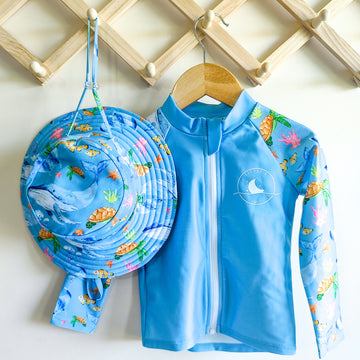
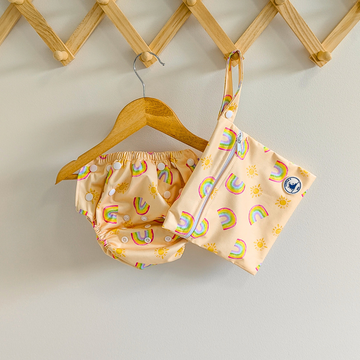
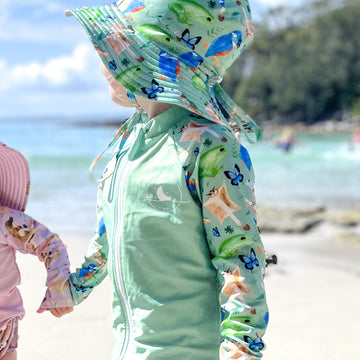

A parent’s guide to safer, sun-smart and skin-friendly swimwear
When it comes to children’s swimwear, parents often focus on cute prints and sun protection, but fabric safety is just as important. Swimwear sits directly against your child’s skin for hours at a time, often in heat, water, and sunlight. Choosing the right fabric helps protect sensitive skin, improves comfort, and ensures long-lasting wear.
In this guide, we’ll explain what “chemical-free” really means, which fabrics are safest, and why high-quality polyester blends are widely trusted for children’s swimwear.
What Does “Chemical-Free” Swimwear Mean?
No textile is completely free from processing. However, safe swimwear fabrics are:
✔ Free from harmful substances and harsh residues
✔ Produced under strict safety standards
✔ Gentle on sensitive skin
✔ Tested for safety and durability
Look for fabrics that meet recognized safety standards and avoid unnecessary coatings or treatments.
For babies and toddlers, this matters even more because their skin absorbs moisture and irritants more easily than adult skin.
Why Fabric Choice Matters for Kids
Children’s swimwear must withstand:
-
Intense UV exposure
-
Saltwater and chlorine
-
Sunscreen and body oils
-
Frequent washing and wear
-
Long hours of active play
Low-quality fabrics may lose shape, fade, trap moisture, or irritate skin.
High-quality performance fabrics keep kids comfortable, protected, and rash-free.
What Fabrics Are Used in Kids’ Swimwear?
Most modern swimwear uses synthetic performance fabrics blended with elastane (spandex) for stretch and comfort.
The most common options include:
-
Polyester blends
-
Nylon blends
-
Cotton (rarely used for swimwear)
Let’s compare them.
Polyester vs Nylon vs Cotton: Which Is Best?
| Feature | Polyester (Preferred) | Nylon | Cotton |
|---|---|---|---|
| Skin Comfort | Smooth and gentle on skin | Soft and smooth | Soft but becomes rough when wet |
| Chemical Safety | Produced under strict safety standards; widely certified | Safe when certified | Can trap residues & bacteria when wet |
| Chlorine Resistance | ⭐⭐⭐ Excellent | ⭐⭐ Moderate | ❌ Poor |
| UV Protection | ⭐⭐⭐ Strong protection | ⭐⭐ Moderate | ❌ Minimal |
| Moisture Absorption | Very low (dries quickly) | Low | Absorbs water heavily |
| Drying Speed | ⭐⭐⭐ Fast | ⭐⭐ Quick | ❌ Slow |
| Durability | ⭐⭐⭐ Highly durable | ⭐⭐ Durable | ❌ Degrades quickly |
| Shape Retention | ⭐⭐⭐ Keeps shape | ⭐⭐ Good | ❌ Stretches out |
| Sensitive Skin Friendly | ⭐⭐⭐ Yes | ⭐⭐ Yes | ❌ Stays wet & irritating |
| Sustainability Options | Recycled polyester available (e.g., Little E & Co) | Recycled nylon available | Natural but unsuitable for swimwear |
Why polyester stands out
Polyester swim fabrics are trusted worldwide because they:
✔ Resist chlorine and saltwater
✔ Provide excellent UV protection
✔ Dry quickly to reduce irritation
✔ Maintain shape and colour
✔ Feel smooth and comfortable on skin
This makes polyester blends especially suitable for babies and young children.
Why Natural Fabrics Like Cotton Aren’t Ideal for Swimming
While cotton is often associated with softness and breathability, it performs poorly in water.
Cotton:
-
Absorbs large amounts of water
-
Dries slowly
-
Becomes heavy and saggy
-
Can cause chafing and irritation when wet
-
Loses shape and durability
For active swimming and sun exposure, performance fabrics are the safer and more practical choice.
Are Polyester Swimwear Fabrics Safe for Children?
Yes, when sourced responsibly and manufactured to safety standards.
High-quality polyester fabrics used in children’s swimwear are:
✔ Skin-safe and tested
✔ Durable and colorfast
✔ Resistant to mold and bacteria growth
✔ Free from harsh residues
Many sustainable swimwear brands also use recycled polyester, reducing environmental impact without compromising safety or performance.
Key Features to Look for in Safe Kids’ Swimwear Fabric
When shopping for swimwear, look for these qualities:
✔ Soft & Gentle Feel
Prevents rubbing, chafing, and discomfort.
✔ Quick-Drying Performance
Reduces moisture buildup that can irritate skin.
✔ UV Protection
Helps shield delicate skin from harmful sun exposure.
✔ Stretch & Recovery
Ensures a snug, comfortable fit that moves with your child.
✔ Chlorine & Salt Resistance
Maintains fabric integrity and prevents breakdown.
Is Polyester Safe for Sensitive Skin?
Yes. Smooth, tightly woven polyester fabrics help reduce friction and moisture retention, two common triggers of skin irritation.
For children with sensitive skin, quick-drying fabric can help prevent:
-
Rashes
-
Chafing
-
Heat irritation
-
Prolonged dampness discomfort
How to Care for Kids’ Swimwear to Keep It Safe
Proper care helps maintain fabric safety and longevity.
✔ Rinse after swimming to remove chlorine and salt
✔ Gently hand wash with mild detergent
✔ Avoid bleach and fabric softeners
✔ Air dry to preserve stretch and colour
These steps help keep swimwear soft, clean, and comfortable for repeated use.
Why Little E & Co Chooses High-Quality Polyester Fabrics
At Little E & Co, fabric selection is guided by comfort, safety, durability, and sustainability.
Our swimwear is designed to be:
✔ Gentle on young skin
✔ Quick-drying and comfortable
✔ Durable for active play
✔ Sun-smart for outdoor adventures
✔ Thoughtfully chosen for everyday wear
Because when children feel comfortable, they can play freely and confidently in the water.
Frequently Asked Questions
Is polyester swimwear safe for babies?
Yes. High-quality polyester blends are soft, quick-drying, and gentle on sensitive skin.
What is the safest fabric for kids’ swimwear?
Polyester blends are widely trusted due to durability, UV protection, and comfort.
Should kids avoid cotton swimwear?
Yes. Cotton absorbs water, dries slowly, and may cause irritation.
What makes swimwear “non-toxic”?
Fabrics produced under safety standards and free from harmful residues help ensure skin safety.
Why does quick-drying fabric matter?
It prevents prolonged dampness, which can cause discomfort and skin irritation.
Final Thoughts: Safer Fabric, Happier Swimmers
Choosing the right swimwear fabric helps protect your child’s skin, improve comfort, and support carefree play in the sun and water.
High-quality polyester swim fabrics provide the ideal balance of:
✓ Comfort
✓ Safety
✓ Durability
✓ Sun protection
✓ Easy care
When swimwear is thoughtfully made, parents gain peace of mind, and little swimmers enjoy every splash.


